



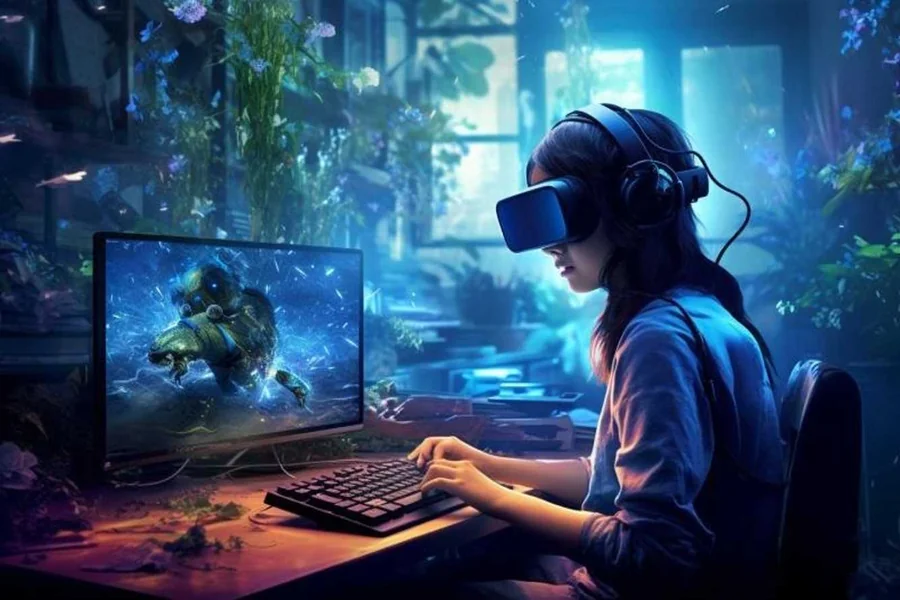
Online slot depo 10k has developed into one of the most influential forms of digital entertainment. Millions of players use internet-connected devices to compete, cooperate, explore virtual environments, and communicate with others. What was once a simple way to play games has evolved into a connected ecosystem involving social communities, professional competitions, streaming, content creation, and emerging technologies.
The growth of online gaming has been supported by faster internet connections, powerful hardware, affordable smartphones, and increasingly sophisticated game development tools. These changes have allowed developers to create experiences that are larger, more interactive, and more accessible than ever before.
The Transformation of Digital Gaming
Traditional video games were primarily designed for individual experiences. Players followed predetermined levels, stories, or challenges, often without interacting with other people.
The internet introduced a new model. Games could connect players to shared servers and allow their actions to influence one another in real time.
This transformation made gaming more dynamic. Instead of experiencing exactly the same content repeatedly, players could encounter different situations depending on the people they played with or against.
A Connected Global Audience
Online gaming has created communities that extend across national borders. A player can join a match with participants from several different countries within a short period.
This international environment has helped create a shared gaming culture. Players exchange strategies, follow global competitions, and communicate through digital platforms.
Online games have therefore become an important example of how technology can connect people around common interests.
The Appeal of Real-Time Interaction
Real-time interaction is one of the defining features of online gaming. Players must respond to situations as they develop.
In competitive games, opponents may change their strategies unexpectedly. In cooperative games, teammates may need to react quickly when a plan fails.
This constant interaction creates an experience that feels different from watching a movie or reading a book because the audience directly influences what happens.
Competition as a Motivation
Many online games include ranking systems that give players measurable goals. Users can compare their performance, track statistics, and attempt to reach higher levels.
Competition can encourage players to practice and develop their abilities. A person may identify weaknesses in their gameplay and work on improving them.
For dedicated players, this process can become a long-term journey rather than a short form of entertainment.
The Role of Teamwork
Team-based games require players to coordinate their actions. Each member may have a different role, and success often depends on how effectively those roles work together.
Communication is essential in these situations. Players may need to share information, warn teammates about threats, and coordinate attacks or defensive strategies.
The importance of teamwork makes online gaming appealing to people who enjoy collaborative challenges.
Gaming as a Social Experience
Online gaming is no longer only about controlling characters. It can also function as a social space.
Players communicate through voice chat, messaging, group systems, and external communities. Friends can use gaming sessions as a way to stay connected when they cannot meet physically.
Some users form long-term friendships through games, while others become members of communities built around particular titles or genres.
The Impact of Mobile Gaming
Mobile devices have made online gaming available to a much larger audience. Smartphones are widely used and can support a wide variety of multiplayer experiences.
Mobile games are often designed to accommodate different playing schedules. Users can participate in short sessions or spend more time playing complex titles.
The convenience of mobile gaming has helped make online entertainment a regular part of daily digital life.
A Wide Range of Genres
The online gaming industry offers experiences for different interests and skill levels.
Action games focus on speed and precision, while strategy games reward careful planning. Role-playing games combine exploration with character progression.
Sports and racing titles recreate competitive activities, while simulation games allow players to manage virtual environments.
The diversity of online gaming means users can easily move between different types of experiences.
The Rise of Professional Gaming
Online competition has created professional opportunities through esports. Players with exceptional skills can compete in organized tournaments and leagues.
Professional teams may include coaches, analysts, managers, and support staff. Players often follow structured training routines and spend significant time preparing for competitions.
The popularity of esports has also created a growing audience for competitive gaming.
Streaming Creates New Opportunities
Gaming streams have become a popular form of online entertainment. Viewers can watch creators play games while communicating with them through live chats.
Streamers may focus on different types of content, including competitive gameplay, tutorials, reviews, challenges, and casual entertainment.
This has allowed gaming to become part of the wider creator economy and provided new career possibilities.
Online Gaming Communities
Communities are a major part of many successful games. Players discuss updates, strategies, characters, and technical issues through online platforms.
Community members frequently create useful guides and tutorials. Some also produce fan-made artwork, videos, and other creative content.
These activities can increase engagement and help games maintain active audiences over long periods.
Technology Supporting Multiplayer Experiences
Modern online games depend on advanced infrastructure. Servers need to manage large numbers of simultaneous connections while keeping gameplay synchronized.
Network quality is particularly important for fast-paced games. Delays can affect responsiveness and potentially change the outcome of competitive matches.
Modern graphics hardware and game engines also allow developers to create increasingly complex virtual worlds.
Artificial Intelligence and Personalized Gaming
Artificial intelligence is becoming a significant area of interest in game development. AI can improve virtual characters and assist developers with various tasks.
Future online games could potentially use AI to create more personalized experiences. Game environments might respond differently to different players based on their decisions and abilities.
Smarter characters could also make virtual worlds feel more natural and unpredictable.
The Growth of Immersive Technology
Virtual reality provides another opportunity for online gaming. Instead of interacting with a game through a traditional display, users can experience digital environments through immersive headsets.
Multiplayer VR can allow players to share virtual spaces and interact through digital avatars.
As hardware improves, immersive technologies may become an increasingly important part of online gaming.
Positive Experiences From Gaming
Online gaming can provide several benefits when used appropriately. Team-based games encourage communication, while strategy games may involve planning and decision-making.
Creative games can provide opportunities for design and experimentation. Gaming can also offer entertainment and relaxation.
For some players, online communities provide a valuable social environment where they can meet others with similar interests.
Problems Caused by Excessive Play
Gaming can have negative effects when it becomes excessive. Long periods of gaming may reduce time available for sleep, exercise, work, education, or personal relationships.
Players should monitor their habits and recognize when gaming begins to interfere with important responsibilities.
A balanced schedule can help users enjoy gaming without allowing it to dominate their daily lives.
Online Safety and Digital Responsibility
Online interaction requires awareness of privacy and security. Players should avoid sharing sensitive information and should be cautious when communicating with unknown people.
Strong passwords and additional account security can help protect valuable gaming accounts.
Players should also know how to report inappropriate behavior, block unwanted users, and recognize suspicious messages.
The Business Behind Online Games
Online gaming has developed into a major commercial industry. Companies can earn money through game sales, subscriptions, advertisements, digital items, and additional content.
The industry supports numerous professions, including programmers, artists, designers, marketers, community managers, streamers, and esports professionals.
Continued consumer interest encourages companies to invest in new technologies and innovative gaming concepts.
Cloud Gaming and Greater Accessibility
Cloud gaming could change how people access advanced titles. Remote servers can handle much of the processing, allowing users to receive gameplay through an internet connection.
This approach could reduce the need for expensive gaming hardware.
However, reliable internet performance remains essential, meaning continued improvements in network infrastructure will be important.
The Future of Online Communities
Future games may become more than places for playing matches. They could function as persistent digital environments where users communicate, attend virtual events, create content, and participate in social activities.
Artificial intelligence, cloud computing, and immersive technologies could contribute to these developments.
The distinction between gaming and other forms of digital interaction may gradually become less obvious.
Conclusion
Online apk slot has transformed from a traditional form of video entertainment into a global digital community. It allows people to compete, cooperate, communicate, and create shared experiences regardless of where they live.
Technological advances continue to expand the possibilities of gaming, from mobile platforms and cloud services to artificial intelligence and virtual reality.
Although players need to maintain healthy habits and protect themselves online, the future of gaming remains exciting. As technology continues to develop, online gaming will offer increasingly sophisticated ways for people to connect, compete, explore, and enjoy interactive entertainment.
